
Search Places to Stay & Save
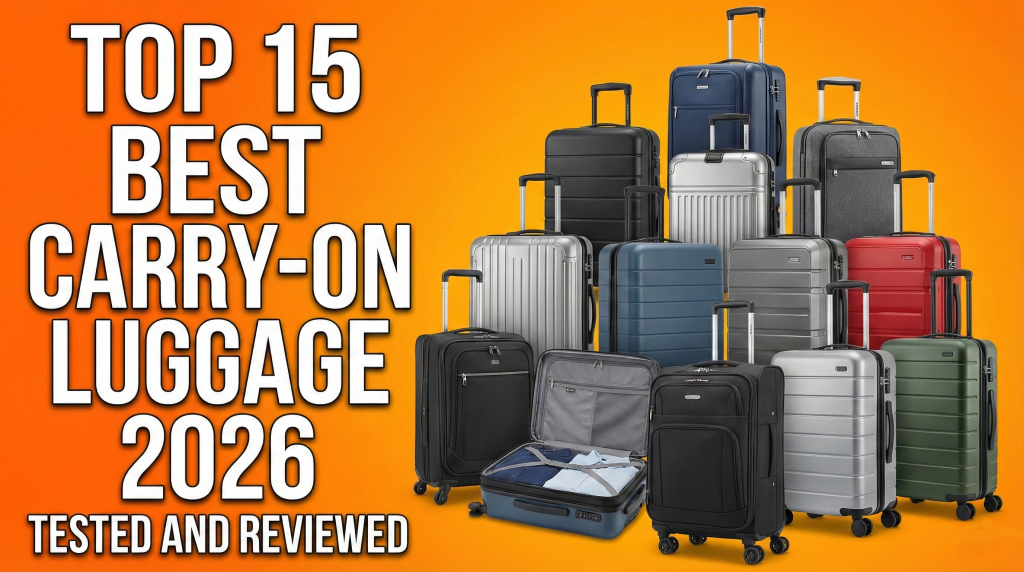
Most travelers make the same mistake when choosing the best carry on luggage: they prioritize price over durability, then replace their bag every two years. Airlines report that checked baggage fees now average $35-70 per flight, making quality carry-on bags a clear financial advantage over cheap alternatives that force eventual checking. The right carry-on isn’t just about avoiding fees—it’s about eliminating the stress of gate checks, lost luggage, and bags that fail mid-trip.
Finding the best carry on luggage requires understanding what actually matters beyond marketing claims. Travelers consistently prioritize four factors: wheels that survive airport surfaces, weight limits that allow maximum packing, dimensions that reliably fit overhead bins, and construction that withstands baggage handlers. The luggage industry has evolved significantly since 2024, with polycarbonate materials becoming standard for durability and airline overhead bin measurements getting stricter on international routes. Budget bags under $100 rarely last beyond 15-20 flights, while quality options in the $200-400 range typically survive 50+ trips before showing significant wear.
This guide examines carry-on options across every price point and travel style, from weekend warriors to digital nomads living out of a single bag. The goal isn’t to recommend the most expensive option—it’s to match your actual travel patterns with bags that won’t fail when it matters most.
Understanding Carry-On Size Limits and Why They Matter
Airlines don’t standardize overhead bin dimensions, creating genuine confusion about what actually fits. The safest universal carry-on size measures 22″ x 14″ x 9″ (length x width x depth), which accommodates most domestic U.S. carriers. International carriers, particularly in Europe and Asia, enforce stricter limits—often 21.5″ x 15.5″ x 9″ or smaller. Budget airlines like Ryanair and Spirit impose even tighter restrictions, with some requiring bags under 20 inches.
Travelers who fly multiple airlines face a critical decision: buy for the most restrictive airline you’ll use, or risk gate checking on certain routes. Gate checking eliminates the primary advantage of carry-on luggage and introduces delay risk, as gate-checked bags don’t always arrive at your connecting gate. The 22″ standard works for most travelers who primarily fly major U.S. carriers, while frequent international travelers often benefit from a smaller 20-21″ option despite the reduced packing capacity.
Weight restrictions add another layer. Most U.S. carriers don’t enforce carry-on weight limits as strictly as international airlines, where 15-22 pound limits are common. A 7-8 pound empty bag means you’re working with approximately 7-10 pounds of actual packing capacity before hitting weight restrictions—less than many travelers expect.
Quick Summary
- Standard 22″ x 14″ x 9″ works for most U.S. domestic flights
- International and budget carriers require smaller dimensions (20-21″)
- Weight matters more on international routes (15-22 lb limits typical)
- Gate checking defeats the purpose of buying quality carry-on luggage
Hard-Shell vs. Soft-Shell: Which Construction Actually Wins
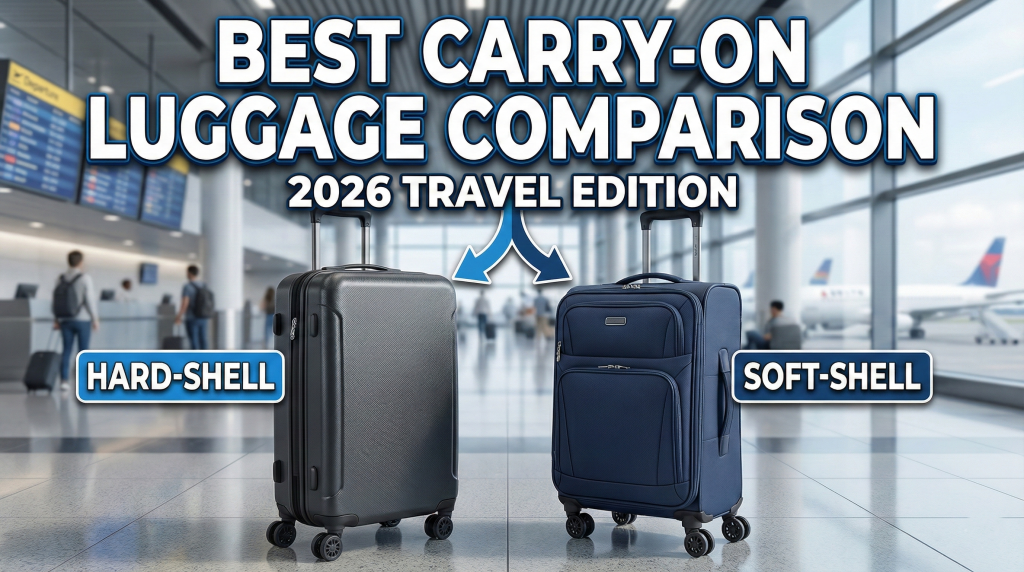
The hard-shell versus soft-shell debate comes down to how you pack and what you’re protecting. Hard-shell bags, typically made from polycarbonate or ABS plastic, excel at protecting fragile items and maintaining structure when overhead bins compress. They’re also completely weatherproof and easier to wipe clean. The trade-off? They show every scratch and dent, typically weigh 1-2 pounds more than comparable soft-shell options, and lack exterior pockets for easy-access items.
Soft-shell luggage, usually constructed from ballistic nylon or polyester, offers flexibility that allows cramming in extra items at the last minute. Travelers who routinely pack to the absolute limit appreciate this give. Soft-shell bags also hide wear better—scratches and scuffs blend into the fabric texture rather than showing as obvious marks. The disadvantage comes with protection: soft-shell offers minimal crush resistance, which matters when passengers shove bags into overhead bins without care.
Durability patterns reveal an interesting reality: cheap hard-shell bags crack more easily than cheap soft-shell bags tear, but high-quality hard-shell typically outlasts high-quality soft-shell. This happens because polycarbonate maintains its protective properties longer than fabric maintains tensile strength. Budget matters here—under $100, soft-shell tends to last longer; over $200, hard-shell usually provides better long-term value.
The weight factor shouldn’t be dismissed casually. A 10-pound hard-shell bag versus an 8-pound soft-shell bag means 2 pounds less packing capacity, which translates to roughly 3-4 fewer clothing items. For minimalist travelers who already pack light, this difference is negligible. For those who pack until they hit weight limits, it’s significant.
Premium Options: When $250+ Actually Makes Sense
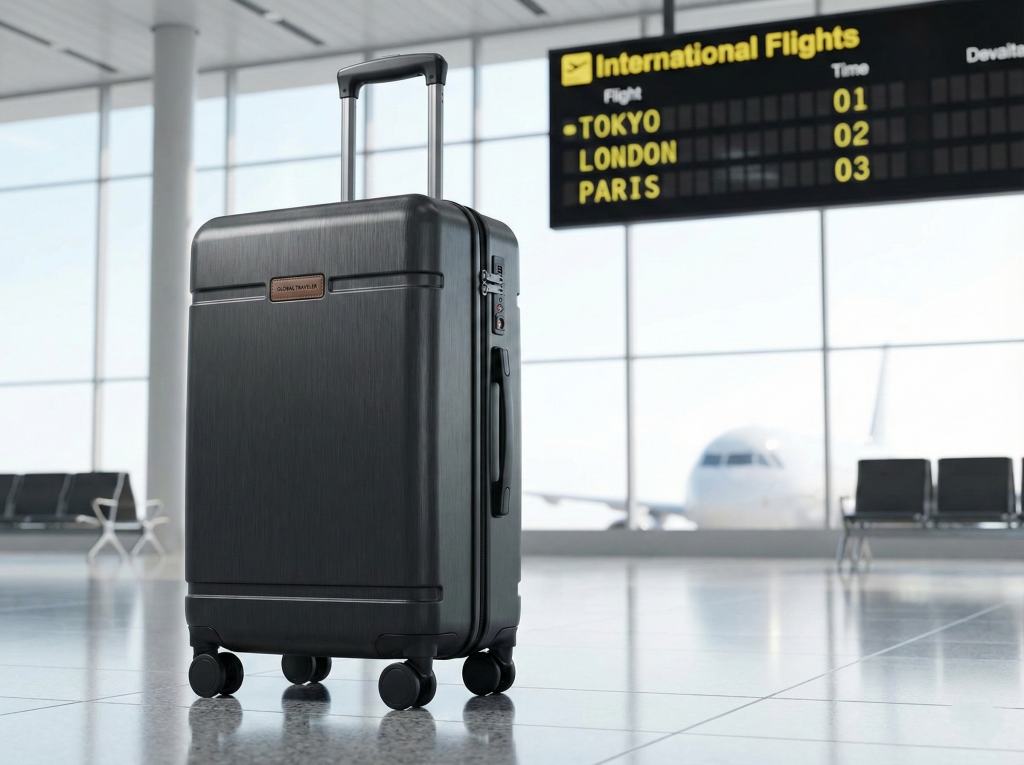
High-end carry-on bags cost 3-5 times more than budget options, raising an obvious question: what actually justifies the price difference beyond brand prestige? The answer lies in three areas where quality compounds over time: wheel durability, shell impact resistance, and zipper reliability.
Premium wheels use sealed bearings and reinforced mounting points that survive repeated curb drops and uneven airport flooring. Budget bags often fail when wheels seize or break off entirely, typically after 15-25 flights. Premium bags with quality spinner wheels routinely handle 50+ flights before showing significant wheel degradation. This matters because wheel replacement often costs $50-80, and many travelers simply replace the entire bag instead.
Shell construction quality becomes apparent after the first checked bag experience. Budget polycarbonate cracks under moderate impact, while premium polycarbonate flexes and returns to shape. Away, Samsonite, and Delsey use thicker polycarbonate (2.5-3mm versus 1.5-2mm in budget options) with UV-resistant coatings that prevent yellowing. The visible result: premium bags look relatively new after 30 flights, while budget bags look beat up after 10.
Zipper failures cause more bag replacements than any other single factor. Premium bags use YKK or similar quality zippers with larger teeth and stronger pulls. Budget bags use generic zippers that separate under stress, typically when overpacked—exactly when you can’t afford a failure. Replacing a main zipper professionally costs $40-70, often approaching the full replacement cost of a budget bag.
The calculation becomes straightforward: if you fly 10+ times per year, a $300 bag that lasts 5 years costs $60 annually. A $80 bag that lasts 18 months costs $53 annually but requires replacement shopping, break-in periods, and the risk of mid-trip failure. Premium bags deliver better cost-per-flight economics for frequent travelers, while budget bags make sense for occasional use.
Key Takeaways
- Premium bags justify cost through wheel durability (50+ flights typical)
- Thicker polycarbonate (2.5-3mm) resists cracking from baggage handlers
- Quality zippers prevent the most common cause of bag replacement
- Frequent travelers (10+ flights/year) see better cost-per-flight with premium options
Budget Winners: Finding Quality Under $150
Budget carry-on luggage has improved dramatically since 2023, with several options now offering genuine value rather than just low prices. The key distinction: budget bags that last 20-30 flights versus those that fail after 10. This difference comes down to three checkable factors before purchase: shell thickness, wheel mount reinforcement, and handle wobble.
Amazon Basics and U.S. Traveler produce the most reliable budget hard-shell options, typically ranging from $60-120. These bags use thinner polycarbonate (1.5-2mm) that won’t withstand checked baggage abuse but handles normal carry-on use adequately. Travelers should expect visible scratching within the first few trips—this is cosmetic and doesn’t affect function. The more critical concern is crack formation, which typically starts around handle mounts or corner impacts. Budget bags from these brands usually avoid cracks for 20-25 flights when used as carry-on only.
Soft-shell budget options from Travelpro and Samsonite’s lower-tier lines offer better durability than hard-shell equivalents at similar prices. The Maxlite series, often available around $100-180, uses ballistic nylon that hides wear and provides more give when overhead bins are packed. The trade-off comes with structure—soft-shell bags collapse when empty and offer less protection for items inside.
Wheel quality separates functional budget bags from those that become frustrating. Spinner wheels should rotate freely with no grinding or resistance when testing in-store. Any stiffness when new will worsen significantly after 10 flights. The wheel housing should feel solid when you push it—loose or rattling mounts indicate weak attachment that will likely fail. Budget bags can’t match premium wheel quality, but they should at minimum roll smoothly on carpet and hard floors without pulling to one side.
The honest limitation of budget luggage: it’s designed for occasional use, not road warrior schedules. A budget bag that survives 20-25 flights represents success, not failure. Travelers who fly 5-6 times yearly can extract 3-4 years of use, making budget options genuinely practical. Those flying monthly should expect annual replacement.
Wheels and Maneuverability: What Actually Affects Rolling
Spinner wheels versus two-wheel designs create the most visible difference in luggage maneuverability. Four spinner wheels allow 360-degree rotation and enable rolling the bag beside you rather than pulling behind. This matters in crowded airports, on escalators, and when navigating tight aircraft aisles. Two-wheel designs require tilting and pulling, which worked fine when travelers moved slower but feels cumbersome in modern airport sprints.
Wheel diameter influences how bags handle uneven surfaces. Larger wheels (2.5-3 inches) roll more smoothly over expansion joints, carpet transitions, and outdoor pavement. Smaller wheels (under 2 inches) get caught in cracks and require more force to pull. Budget bags often use 1.5-2 inch wheels that work acceptably on smooth airport floors but struggle on anything else. Premium bags typically feature 2-3 inch wheels that handle varied surfaces better.
The wheel mounting system determines long-term reliability more than wheel size. Wheels attached with single screws or basic pins loosen over time, creating wobble and eventual detachment. Premium bags use reinforced mounting plates with multiple attachment points that distribute stress. You can test this by trying to wiggle wheels side-to-side when testing bags—any movement indicates weak mounting that will worsen.
Bearings matter, though they’re impossible to evaluate without extended use. Sealed bearings prevent dirt infiltration and maintain smooth rolling across 50+ flights. Unsealed bearings in budget bags collect debris and gum up, typically within 15-20 flights. This explains why budget bag wheels often feel sticky or resistant after moderate use—the bearings haven’t failed completely but no longer roll freely.
Handle ergonomics affect comfort more than travelers expect before traveling. Telescoping handles should lock firmly at multiple heights without wobbling or slowly collapsing under the bag’s weight. Handles that sink slowly when extended indicate weak locking mechanisms that will fail entirely later. The handle grip should feel comfortable when pulling a full bag for 15-20 minutes, which you can’t really test before purchase but reviews often mention.
In Short
- Four spinner wheels enable better maneuverability in tight spaces
- Larger wheels (2.5-3″) handle uneven surfaces and outdoor pavement better
- Wheel mounting quality determines whether wheels detach after repeated use
- Sealed bearings in premium bags maintain smooth rolling across 50+ flights
Organization Features: Interior Pockets and Compression Systems
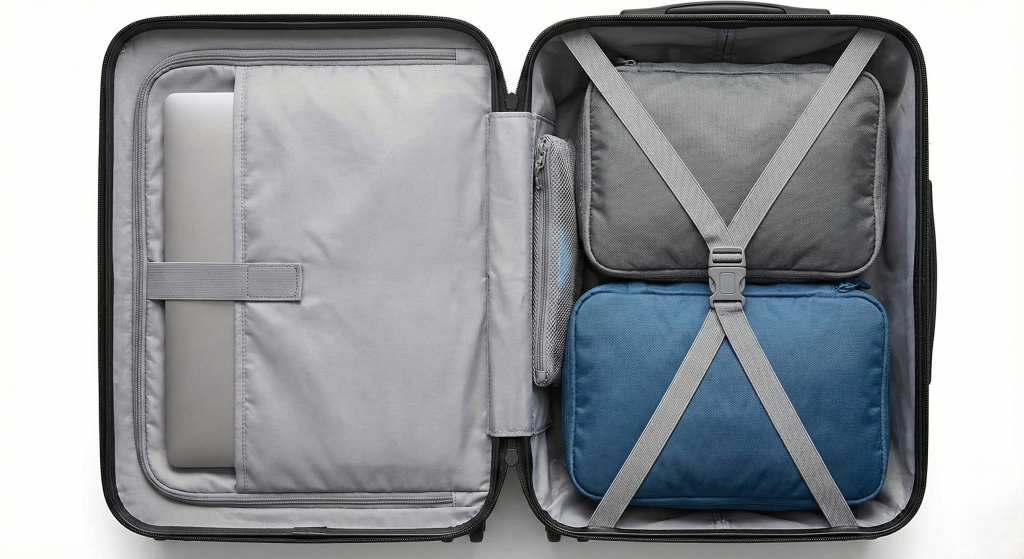
Interior organization separates bags that make packing easy from those that create frustration. The most effective carry-on bags include compression straps in both compartments, allowing you to flatten packed clothes and create additional space. Bags without compression require tighter rolling and more careful arrangement, which takes time and often results in items shifting during travel.
Divider panels with pockets provide genuine value for business travelers who need to access specific items quickly. A dedicated laptop sleeve that’s actually padded (many aren’t) protects devices without requiring a separate case. The laptop compartment should accommodate at least 15-inch laptops—bags with 13-inch limits frustrate many travelers who discover this limitation only after purchase.
Mesh zippered pockets help with organization but add weight. Premium bags include 3-5 mesh pockets strategically placed for toiletries, electronics, and documents. Budget bags either skip these entirely or include one poorly-placed pocket that doesn’t align with how people actually pack. The ideal configuration includes one large mesh pocket in the main compartment and a smaller exterior pocket for items needed during flight.
Exterior pockets present a trade-off that divides travelers into camps. Soft-shell bags almost always include exterior pockets for easy document access, which business travelers love and security-conscious travelers avoid. Hard-shell bags rarely have exterior pockets due to structural requirements, forcing everything inside. The security argument matters: exterior pockets make theft easier in crowded airports or trains, while interior-only storage requires opening the main compartment for passports and boarding passes.
Laundry bags or shoe compartments sound useful but rarely get used based on traveler feedback patterns. These features add bulk and weight without delivering proportional value. Packing cubes provide better organization flexibility than built-in compartments, allowing travelers to customize based on trip type rather than being locked into the bag manufacturer’s assumptions about how you travel.
Material Quality: Polycarbonate, ABS, and Fabric Durability
Polycarbonate dominates premium hard-shell luggage for legitimate reasons: it’s lighter and more impact-resistant than ABS plastic, and it doesn’t crack as easily under stress. Pure polycarbonate bags typically cost $200-400, while polycarbonate blends or ABS alternatives range from $60-150. The price difference reflects material cost and expected lifespan—polycarbonate genuinely lasts longer under identical use conditions.
ABS plastic (acrylonitrile butadiene styrene) appears in most budget hard-shell bags. It’s heavier than polycarbonate and more prone to cracking, but significantly cheaper to manufacture. Budget travelers should understand that ABS isn’t inherently bad—it’s adequate for light use. The problem comes when travelers expect budget ABS bags to survive the same abuse as premium polycarbonate, then feel disappointed when cracks appear after 15 flights.
Ballistic nylon in soft-shell bags resists abrasion and tearing better than standard nylon or polyester. Travelpro and higher-end Samsonite soft-shell bags use 1200-1600 denier ballistic nylon that holds up remarkably well. Budget soft-shell bags often use 600-800 denier polyester that tears more easily and shows wear faster. Fabric density (denier) provides a measurable standard—higher numbers indicate thicker, more durable fabric.
Weather resistance varies significantly by material. Polycarbonate is completely waterproof, which matters when bags sit on wet tarmac or outdoor luggage carts. Soft-shell bags with water-resistant coatings repel light rain but soak through in sustained exposure. Travelers who frequently connect through outdoor boarding areas (common in Europe) should prioritize waterproof materials over slight weight savings.
UV resistance prevents yellowing and brittleness in polycarbonate bags. Premium manufacturers add UV stabilizers that keep bags looking newer longer. Budget bags without UV protection develop a yellowed appearance after 1-2 years of use, particularly in high-altitude environments where UV exposure increases. This is cosmetic but signals overall quality—manufacturers who skip UV protection likely cut other corners too.
TSA Locks, Zippers, and Security Features
TSA-approved locks allow security agents to inspect bags without breaking locks, theoretically protecting your belongings while maintaining security access. In practice, TSA locks provide minimal theft deterrent—agents can open them, and thieves can break cheap locks easily. The real value comes from preventing opportunistic grab-and-go theft in airports and deterring casual rifling through bags in overhead bins.
Built-in TSA locks integrate directly into the zipper system, which is more secure than external padlocks that thieves can simply cut. Bags with combination locks (rather than key locks) eliminate the risk of losing keys while traveling. Premium bags use higher-quality lock mechanisms that actually resist tampering, while budget built-in locks often fail to latch properly after 10-15 uses.
Zipper quality determines security more than locks. Premium YKK zippers with larger teeth resist separation when bags are overpacked or subjected to stress. Budget zippers can often be defeated by inserting a pen tip and sliding it along the zipper track, which completely bypasses any lock. This vulnerability isn’t widely advertised but represents a genuine security weakness in many budget bags.
Double-zipper configurations allow locking two zipper pulls together, making tampering more difficult. Single-zipper designs provide only one point to lock, which thieves find easier to defeat. The difference is subtle but meaningful for travelers who carry valuable items or medication that requires security.
Zippers placed on the bag’s back panel (facing away when pulling) make it harder for thieves to unzip bags while you’re pulling them through airports. Front-facing zippers allow someone walking behind you to potentially open the bag while you’re moving. This design detail separates security-conscious manufacturers from those focused purely on aesthetics.
Expandable Designs: When Extra Capacity Helps or Hurts
Expandable luggage includes a zipper that increases depth by 2-3 inches, theoretically providing 15-20% more packing capacity. This sounds universally beneficial until you consider the trade-offs. Expanded bags often exceed airline size restrictions, forcing gate checks. The expansion zipper also represents another potential failure point, and expanded bags become harder to fit in overhead bins even when they technically meet size limits.
Smart travelers use expansion for compression rather than additional packing. Pack normally, then use the expansion zipper to compress clothes and create dead air space that prevents items from shifting during travel. This application makes more sense than packing until you need expansion, which typically results in an overweight or oversized bag.
The expansion mechanism quality varies dramatically. Premium bags use robust zippers that handle the stress of expansion without separating. Budget expandable bags often fail at the expansion zipper before the main zippers wear out, because the expansion zipper experiences maximum stress when the bag is overpacked—exactly when it’s most likely to fail.
Non-expandable bags force discipline that benefits many travelers. Without expansion capability, you can’t continue adding items until you hit weight limits. This constraint actually helps avoid the common trap of overpacking, paying overweight fees, or struggling with an unnecessarily heavy bag through airports.
Soft-shell bags gain more from expansion than hard-shell bags because fabric stretches slightly even without expansion zippers. Hard-shell expansion provides genuine additional capacity, but the rigid shell makes it obvious when you’ve exceeded airline dimensions. Soft-shell bags can sometimes compress slightly to fit overhead bins even when technically oversized.
Bottom Line
- Expansion works better for compressing packed items than adding capacity
- Expanded bags often exceed airline size limits, forcing gate checks
- Expansion zippers create additional failure points in budget bags
- Non-expandable designs force packing discipline that benefits many travelers
Weight Considerations: Empty Bag vs. Packing Capacity
Carry-on luggage weight when empty directly reduces how much you can pack before hitting airline weight restrictions. A 10-pound empty bag leaves you with just 5-8 pounds of clothes and items before reaching typical international carry-on limits of 15-18 pounds. A 7-pound bag provides 8-11 pounds of packing capacity—a meaningful difference.
Premium polycarbonate bags typically weigh 7-8 pounds empty for standard carry-on sizes (22″ x 14″ x 9″). Budget ABS plastic bags often weigh 9-10 pounds for equivalent dimensions. The 2-3 pound difference might seem minor but translates to approximately 4-5 fewer clothing items or one fewer pair of shoes. Frequent travelers who routinely pack light won’t notice this. Those who pack until they hit limits will feel constrained.
Soft-shell bags provide the best weight advantage, typically weighing 6-7 pounds empty in carry-on sizes. This 2-3 pound savings versus hard-shell options explains why digital nomads and long-term travelers often prefer soft-shell despite the durability trade-offs. When you’re living out of a bag for months, every pound of packing capacity matters.
Ultralight carry-on bags advertise weights of 5-6 pounds but achieve this through thinner materials that sacrifice durability. These bags work well for occasional travelers who prioritize maximum packing capacity over long-term durability. Frequent fliers typically find that ultralight bags don’t survive 25+ flights without damage.
The weight-durability relationship is direct: lighter bags use less material, which means less protection and shorter lifespan. Manufacturers can’t overcome physics—durable materials weigh more. The optimal approach involves matching bag weight to your travel frequency. Pack-until-full travelers who fly occasionally should prioritize light empty weight. Frequent travelers should accept higher empty weight in exchange for bags that survive 50+ flights.
Premium Brands Worth Considering: Away, Samsonite, Travelpro
Away transformed luggage marketing when it launched in 2015, making carry-on bags feel stylish rather than purely functional. The brand’s core carry-on ($275-295) uses quality polycarbonate, smooth-rolling wheels, and thoughtful interior organization. Travelers pay a premium for the brand recognition and aesthetic appeal, but the underlying bag quality justifies the cost for frequent fliers. The main limitation: Away’s ubiquity means you’ll see identical bags everywhere, making identification on luggage carousels challenging despite personalization options.
Samsonite represents the legacy quality standard that other brands measure against. Their mid-tier Omni and Winfield collections ($130-180) deliver reliable performance at prices below Away, though without the same aesthetic appeal. Samsonite’s premium Silhouette line ($400+) includes organizational features that genuinely benefit business travelers: integrated packing cubes, laptop sleeves, and compression systems. The brand’s reputation for durability is deserved—Samsonite bags routinely survive 5+ years of frequent use.
Travelpro originated as luggage designed by pilots for pilots, which means prioritizing function over style. Their Maxlite soft-shell series ($100-180) offers exceptional durability for the price, particularly for travelers who prioritize weight savings. Flight crews still commonly use Travelpro, which serves as practical validation. The main trade-off: Travelpro bags look utilitarian rather than stylish, which matters to some travelers and not at all to others.
Monos positions itself as a premium minimalist alternative to Away, with sleeker designs and slightly higher prices ($375-425). The brand’s organizational features lean toward simplicity rather than complexity, which appeals to minimalist travelers but frustrates those who want multiple compartments. Monos bags use quality materials that justify the premium pricing for travelers who value design aesthetics.
Budget Brands That Deliver Value: Amazon Basics, U.S. Traveler
Amazon Basics hard-shell carry-on bags ($58-78) represent the minimum viable quality level for occasional travelers. These bags use thinner ABS plastic that scratches easily but functions adequately for 15-20 flights. The value proposition is straightforward: adequate performance at the lowest possible price. Travelers who fly 3-4 times per year can extract 4-5 years of use, making the cost-per-flight calculation favorable compared to premium options they’d replace less frequently.
The Amazon Basics line lacks the organizational features and smooth rolling of premium bags, but the fundamentals work. Zippers function reliably, wheels roll acceptably (though not smoothly), and the structure holds up for typical carry-on use. The main risk comes from travelers who expect budget bags to survive checked baggage abuse or frequent-flier schedules—they won’t.
U.S. Traveler produces slightly higher-quality budget bags ($78-120) that bridge the gap between Amazon Basics and mid-tier Samsonite. Their polycarbonate options offer better impact resistance than ABS alternatives while remaining affordable. Travelers who want budget pricing with somewhat better durability find U.S. Traveler hits a useful middle ground.
The honest assessment of budget brands: they’re optimized for price rather than longevity. This isn’t a criticism—it’s a deliberate design choice that serves occasional travelers well. Problems arise when travelers expect budget bags to match premium performance, leading to disappointment when wheels fail or zippers break after 20 flights. If you understand the limitations, budget bags deliver genuine value.
Specialty Designs: Underseat, Backpack, and Hybrid Options
Underseat carry-on bags (typically 16-18″ x 13-14″ x 8-9″) fit beneath airline seats, allowing you to keep belongings accessible during flight without using overhead bin space. Samsonite’s underseat spinner ($106-145) combines wheeled convenience with personal item dimensions, though the smaller size limits packing capacity. These bags work well for business travelers on 1-2 night trips who prioritize accessibility over capacity.
Backpack-style carry-ons appeal to travelers who move frequently between destinations or use public transportation. Brands like Osprey and Tortuga produce carry-on backpacks ($200-300) with internal frames and sophisticated suspension systems. The main advantage: distributing weight across your shoulders rather than pulling a wheeled bag over uneven surfaces. The disadvantage: backpacks don’t roll through smooth airports efficiently, and accessing items requires removing the entire bag.
Hybrid designs attempt to combine wheeled convenience with backpack functionality, typically adding stowable straps to traditional carry-on bags. These compromises usually work poorly—the backpack straps feel awkward because the bag isn’t shaped for back-carrying, and the added straps add weight without delivering much value. True backpackers prefer dedicated travel backpacks, while airport travelers prefer wheeled bags.
Garment bags designed to fit in overhead bins serve business travelers who need to transport suits without wrinkles. These specialized bags fold suits flat and typically include wheels for airport convenience. The trade-off comes with limited general packing space—garment bags prioritize suit protection over capacity for regular clothing and toiletries.
Key Takeaways
- Underseat bags (16-18″) keep items accessible but limit capacity
- Backpack carry-ons work better for frequent destination changes than airport travel
- Hybrid wheeled backpacks usually compromise both functions
- Garment bags serve business travelers who transport suits regularly
What Experienced Travelers Actually Pack in Carry-Ons
Packing strategies separate experienced travelers from those who struggle with carry-on limitations. The foundation involves choosing versatile clothing that works across multiple settings rather than specialized items for specific activities. Three pairs of pants, five shirts, and one jacket create more outfit combinations than seven complete outfits while using less space.
Rolling clothes tightly beats folding for maximizing space and minimizing wrinkles in most situations. The exception: structured items like blazers that need to maintain shape. Packing cubes compress clothes further and create organization systems that make finding specific items easier. Experienced travelers typically use 3-4 packing cubes in standardized sizes that align with their bag’s compartments.
Toiletries limited to 3.4-ounce containers create the most common packing frustration. The solution involves either decanting products into travel containers or buying solid alternatives (bar shampoo, solid deodorant) that bypass liquid restrictions. Premium travelers increasingly ship toiletries to hotels ahead of arrival rather than packing them, which works for planned stays but not spontaneous travel.
Shoes consume disproportionate space relative to their necessity. Experienced travelers wear their bulkiest shoes during travel and pack one additional pair maximum. The second pair should serve multiple purposes—walking shoes that work for both casual dining and light hiking beat specialized running shoes that only work for exercise.
Electronics present weight challenges that force prioritization. Laptop, phone, and tablet together typically weigh 4-6 pounds, consuming 25-35% of your total carry-on weight budget. Travelers who need all three for work have less capacity for clothing. Those who can leave the laptop home and work from phone/tablet gain significant packing flexibility.
Common Carry-On Mistakes and How to Avoid Them
Buying based on internal capacity measurements rather than external dimensions causes frequent gate-checking. Airlines measure the exterior dimensions, including wheels and handles in collapsed position. Bags that advertise maximum internal capacity often exceed overhead bin limits by 1-2 inches, which airlines consistently enforce during busy flights.
Overpacking carry-ons until they barely zip forces stress on zippers that leads to failure. Bags should close with moderate effort rather than requiring you to sit on them. The test: if you struggle to zip the bag initially, it’s likely to fail during travel when zippers experience additional stress from handling and compartment compression.
Failing to test-roll bags with weight before purchase creates unpleasant surprises. An empty bag that rolls smoothly in-store might pull awkwardly when loaded to 20 pounds. If possible, place something weighted in the bag before buying to verify the wheels handle actual use conditions rather than just demonstrations.
Ignoring airline-specific restrictions causes problems particularly on international and budget carriers. A bag that works perfectly on United might exceed size limits on Ryanair or Air Asia. Travelers who fly multiple airlines should verify that their bag meets the most restrictive airline they’ll use rather than optimizing for their primary carrier.
Checking carry-on bags voluntarily to avoid overhead bin competition eliminates the primary benefit of quality carry-on luggage. Premium bags cost $200-400 specifically because they survive carry-on use better—checking them subjects the bag to abuse it wasn’t designed to withstand. If you routinely check your carry-on voluntarily, buying budget checked luggage makes more financial sense.
When to Choose Carry-On vs. Checked Luggage
Trip duration provides the clearest dividing line. Trips under 5 days typically fit in carry-on bags for most travelers, while trips over 7 days usually require checked luggage. The 5-7 day range depends on your packing style and whether you can access laundry. Business trips with formal wear requirements often need checked bags even for short durations due to suit and shoe requirements.
Destination climate dramatically affects whether carry-on suffices. Summer beach trips require less volume than winter mountain trips where bulky jackets, boots, and layers consume space. Travelers headed to cold climates often wear their bulkiest items during travel to save packing space, which works for direct flights but becomes uncomfortable during long layovers in heated airports.
Activity requirements matter more than duration sometimes. A 4-day ski trip needs more gear than a 7-day beach vacation. Specialty equipment (ski boots, scuba gear, photography equipment) often forces checked luggage regardless of trip length. Adventure travelers should evaluate gear volume first, then determine if carry-on packing is realistic.
Checked bag fees ($35-70 per flight) make carry-on economically attractive, but gate-checking doesn’t save money. Airlines gate-check bags free when overhead bins fill, meaning you avoid fees but gain no time advantage. Travelers who consistently face gate checking should consider whether cheaper checked luggage makes more sense than premium carry-on bags designed for overhead storage.
The honest assessment: carry-on works well for straightforward trips under 5 days with moderate climate requirements. Beyond that, forcing everything into carry-on often means wearing the same items repeatedly or making uncomfortable packing compromises. Sometimes paying to check a bag delivers better value than struggling with inadequate carry-on capacity.
Maintaining Your Carry-On Luggage for Maximum Lifespan
Regular wheel maintenance extends bag life significantly. Wheels accumulate debris (hair, thread, dirt) that gums up bearings and reduces rolling smoothness. Removing wheels every 5-10 flights to clean bearings takes 10 minutes and prevents premature bearing failure. Most wheels attach with screws that remove easily with a basic screwdriver.
Storing bags properly between trips prevents unnecessary wear. Fully collapsing telescoping handles before storage prevents spring mechanisms from weakening. Storing bags in temperature-controlled spaces rather than garages or attics helps—extreme heat and cold degrade both plastic shells and fabric materials over time. Bags should be stored empty or loosely packed rather than fully compressed.
Cleaning bags regularly prevents stains from setting and removes dirt that can degrade materials. Hard-shell bags clean easily with damp cloths and mild soap. Soft-shell bags need fabric cleaner and gentle scrubbing, particularly on lighter colors that show dirt quickly. Interior cleaning matters too—crumbs and dirt in main compartments create odors and attract insects if bags are stored long-term.
Zipper maintenance involves occasionally running a graphite pencil along zipper teeth to lubricate the mechanism. This prevents zippers from sticking and reduces stress on pulls. Never force stuck zippers—stop and identify what’s caught rather than yanking, which damages teeth and can separate zippers entirely.
Wheel and handle repairs often cost $50-100, which approaches the full replacement cost of budget bags but represents good value for premium luggage. Travelers should weigh repair costs against replacement costs honestly—repairing a $80 bag rarely makes sense, while repairing a $300 bag often does. Many premium manufacturers offer repair services or sell replacement parts directly.
In Short
- Clean wheel bearings every 5-10 flights to prevent premature failure
- Store bags with handles collapsed in temperature-controlled spaces
- Clean both exterior and interior regularly to prevent stains and odors
- Consider repair costs versus replacement cost honestly when damage occurs
Choosing the Best Carry On Luggage for Your Travel Style
Weekend travelers (1-3 nights, 4-8 flights yearly) optimize for convenience and price rather than durability. Budget bags in the $60-120 range from Amazon Basics or U.S. Traveler provide adequate performance for this use pattern. Paying for premium wheels and polycarbonate makes limited sense when bags see minimal use. The priority: adequate function at minimal cost.
Business travelers (10-20 flights yearly, mostly overnight trips) benefit most from premium organizational features and smooth-rolling wheels. Away or mid-tier Samsonite ($200-300) delivers the organizational compartments and professional appearance that business contexts require. The investment pays off through reduced travel stress and longer bag life that survives 3-5 years of regular use.
Digital nomads and long-term travelers (living from a bag for months) should prioritize weight over most other factors. Soft-shell bags from Travelpro or premium ultralight options maximize packing capacity while remaining carryon-compliant. Durability still matters, but weight savings matter more when you’re carrying your bag daily rather than wheeling it through airports occasionally.
Families traveling with children face unique constraints—kids add gear that quickly exceeds carry-on capacity. Parents often benefit more from quality checked luggage than premium carry-ons, since family travel typically requires checking bags regardless of bag quality. The exception: parents traveling solo with one child for short trips may manage with carry-on only.
The fundamental principle: match bag quality to your actual travel frequency and style rather than aspirational travel plans. Travelers who plan to travel more often rarely do, while actual frequent travelers know their patterns clearly. Buy for the travel you actually do, not the travel you imagine doing.
Conclusion
The best carry on luggage aligns with your actual travel patterns rather than abstract quality standards. Weekend travelers who fly 4-6 times yearly get better value from $80 budget bags they replace every 2-3 years than from $300 premium bags designed for road warriors. Frequent fliers who accumulate 20+ flights annually benefit from premium wheels, polycarbonate shells, and organizational features that survive extended use. The math shifts based on actual use.
Size selection requires accepting trade-offs. Bags that maximize packing capacity (22″ x 14″ x 9″) don’t fit international airline restrictions as reliably as smaller 20-21″ options. Hard-shell bags protect belongings better but weigh more and lack exterior pockets. Soft-shell bags provide flexibility and lighter weight but offer minimal crush resistance.
The sustainable approach involves buying slightly better quality than your current travel frequency suggests, accounting for gradual increases in travel over the bag’s life. A bag that seems excessive for current travel patterns might align perfectly with patterns two years forward. The opposite calculation applies too—travelers nearing retirement or life changes that reduce travel shouldn’t invest in premium luggage they won’t use enough to justify the cost.
Quality carry-on luggage delivers value through reduced travel stress more than purely financial calculations. Gate checks, lost bags, wheel failures mid-trip, and zipper separations create frustration that exceeds their direct financial cost. The right bag handles your belongings reliably, rolls smoothly through airports, and fits overhead bins consistently. That reliability has value beyond cost-per-flight calculations.
Where to Buy
| Retailer | Best For | Link |
|---|---|---|
| Amazon | Widest selection across every price point, from budget Amazon Basics options to premium brands, with fast Prime shipping and easy returns | Search Amazon |
| Away | Direct-from-brand pricing and warranty terms on the polycarbonate Bigger Carry-On line | Shop Away |
| Samsonite | A long-standing durability track record and the widest range of hard-shell sizes | Shop Samsonite |
| Travelpro | Rolling luggage tested by pilots and flight crews for daily wear | Shop Travelpro |
| REI Co-op | Testing wheels and handles in person before buying, plus a member return policy | Shop REI Co-op |